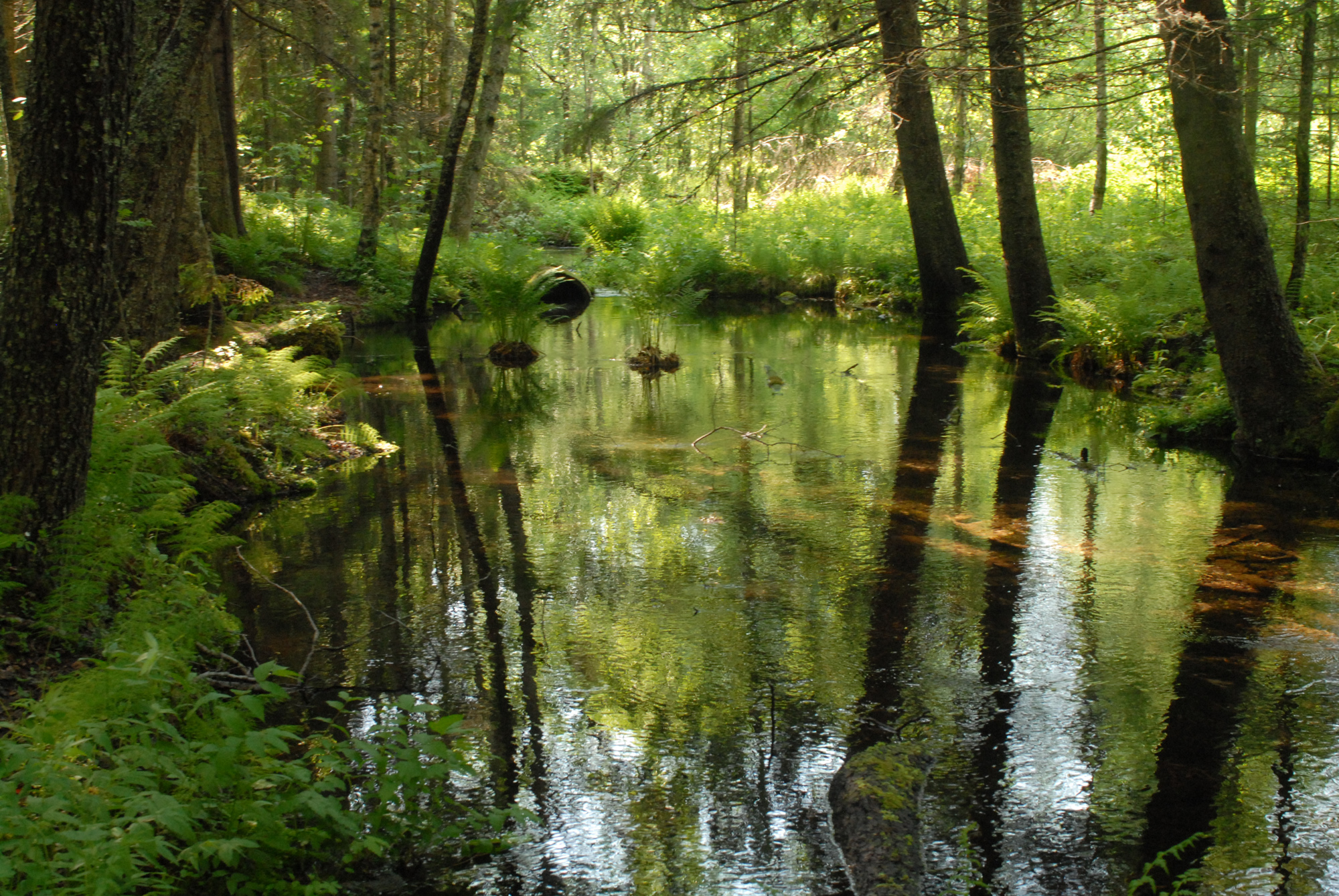
A Spring with a Long and Eventful History
The earliest records of Kuninkaanlähde date back to the time of the Kyrönkangas Road, the historic postal route connecting Turku, Hämeenlinna and Vaasa. The spring served as a resting place and watering point for both people and horses.
Travellers along the route were served by coaching inns located roughly every twenty kilometres, while Kuninkaanlähde functioned as a stopover between the inns.
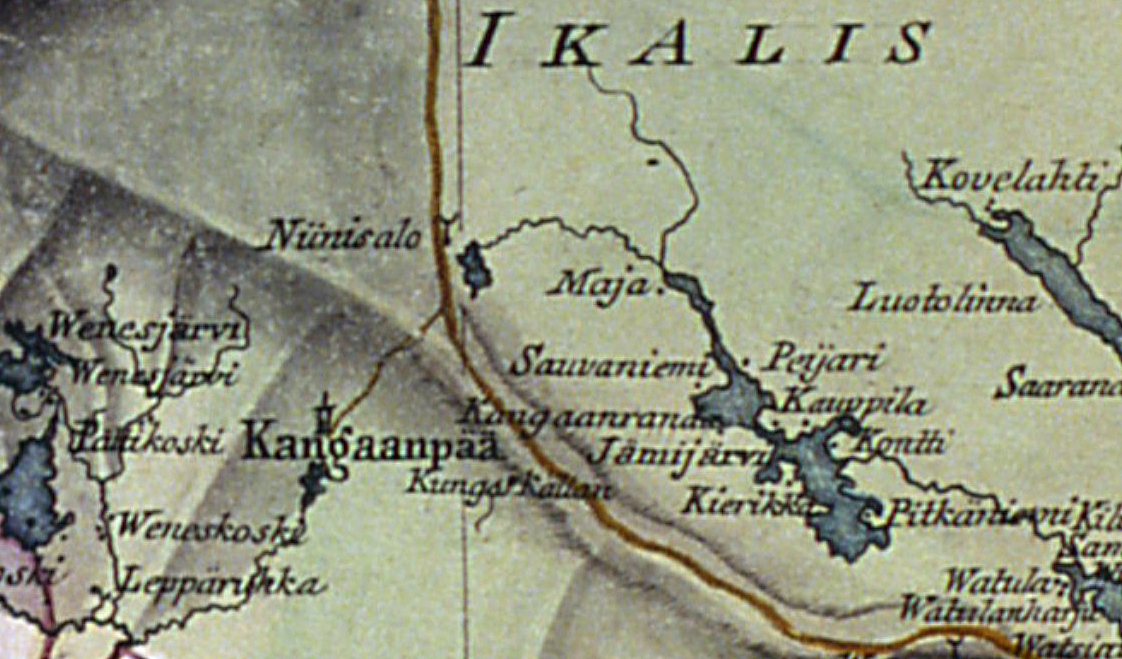
The road was at its busiest during the 17th century. On maps from that period, the site is marked with the Swedish words springande källa – “gushing spring”.
In 1752, King Adolf Frederick of Sweden stopped at the spring with his entourage during a provincial tour to rest and drink its water. In honour of the royal visit, the spring was given the name Kuninkaanlähde (“The King’s Spring”).
Local oral tradition from the 19th century describes the spring as a health-giving source, particularly renowned for curing eye diseases. Stories also tell of the spring shooting columns of water into the air, especially when it became “angry”.
As one local historian has described it:
“The nature tourism of the late 19th century: the gentry visited Imatra Rapids, Koli – and Kuninkaanlähde.”
A map dating from 1775 already identifies the site with a name referring to the king (source: Heikki Rantatupa’s historical maps).
From Tourist Lodge to Caravan Site
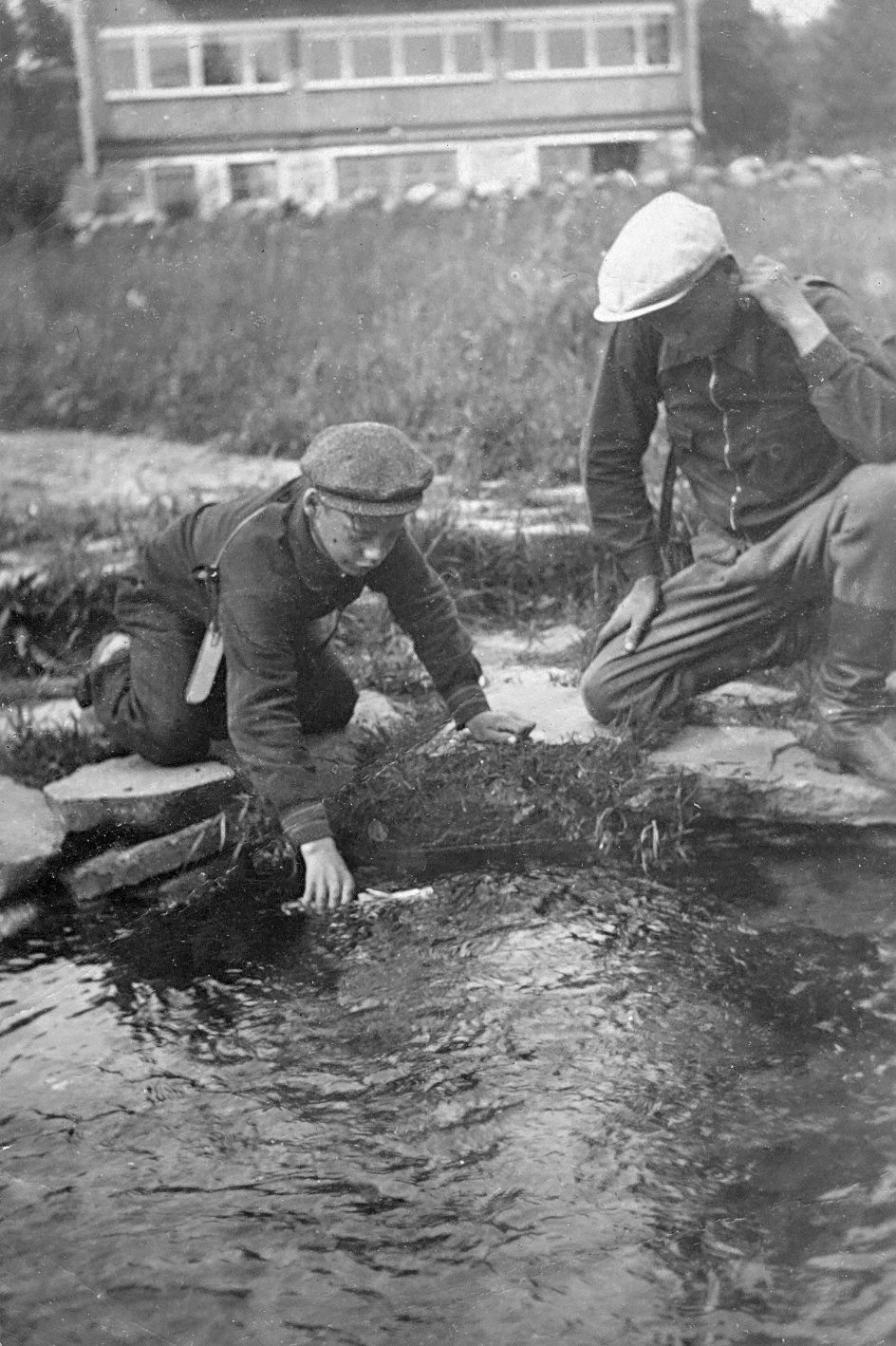
In 1939, local businessmen from Kankaanpää commissioned the construction of a tourist lodge near the spring. After the Second World War, the lodge hosted courses for war widows and orphans. In the 1950s, the hotel was transferred to the Finnish Holiday Association (Lomaliitto).
The development of the tourist lodge also led to landscaping work around the spring. By the 1930s at the latest, the spring had been incorporated into a park design, including stonework, bridges and viewing platforms.
In 1965, a concrete ring was built around the spring. The decision met strong opposition, and in 1966 the surroundings were restored to a stone-lined appearance. Since then, there has been regular public debate—first in newspaper opinion columns and later on social media—about how Kuninkaanlähde should look.
The most recent restoration project also raised questions about which historical period the spring should reflect. After decades of excavation and construction work, returning the site to its original natural state is no longer possible.
A public outdoor swimming pool was built in the area in 1962, surrounded by a municipal camping site. In 1989, a caravan park was established at Kuninkaanlähde.
Photo: Kankaanpää City Museum Collections. Photographer: O. Kuusjärvi.
Visitors can learn more about the spring’s fascinating past from the information board located beside the spring.
Text: Anu Forss
The author works as a Curator at the Kankaanpää City Museum.